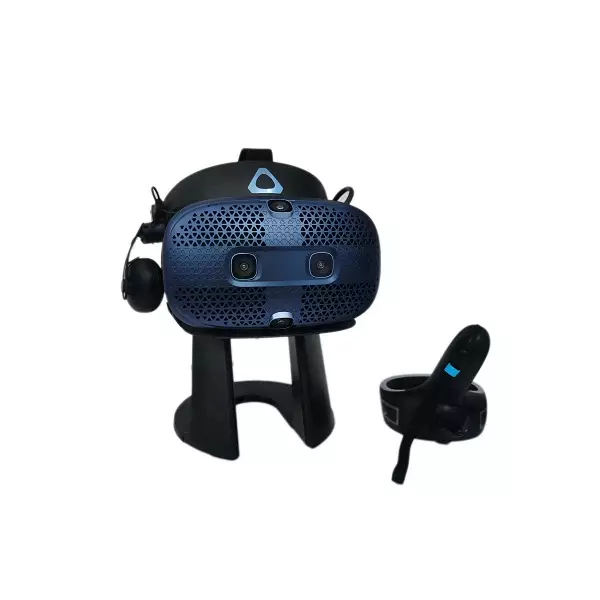
Virtual tools are reshaping how students approach anatomical learning, and the growing interest in human anatomy VR shows how digital instruction is becoming more practical. Many institutions now explore virtual platforms to supplement traditional materials, providing learners with the ability to observe structures from different angles. In this context, DIGIHUMAN offers solutions that help classrooms adopt immersive tools while maintaining academic accuracy and clarity.
Advancing Spatial Understanding Through 3D VR Models
One of the main challenges in anatomy education is helping learners understand the spatial relationships between organs, muscles, and systems. The Digihuman VR Anatomy Teaching System addresses this need with reconstructed 3D models that allow users to rotate, zoom, and explore structures in detail. As part of the broader Digihuman Anatomy System, the platform integrates eight systems including the wizard, multimedia, graphics and image, voice, puzzle, practices, UI, and interactive modules. These tools encourage students to explore concepts at their own pace. The hardware configuration, consisting of Vive glasses, VR headset, and hand controllers, helps ensure movements and interactions remain smooth during instruction. Through this form of human anatomy VR, the learning environment becomes more intuitive and accessible.
Practical Applications for Institutions and Training Centers
Medical universities and educational venues increasingly adopt VR solutions to strengthen teaching consistency. For many programs, the Digihuman 3D anatomy VR system provides a reliable alternative when access to traditional specimens is limited. They designed the system to support demonstration sessions, group discussions, and practical exercises that require high-clarity visuals. By allowing educators to guide students through layers of anatomical detail, the platform helps maintain engagement during lessons without disrupting existing teaching methods. Users often find the digital experience more motivating, especially when learning complex or unfamiliar content.
Conclusion: VR as a Supportive Tool for Anatomy Learning
As digital tools continue to develop, DIGIHUMAN contributes resources that complement structured anatomy courses. Their approach to human anatomy VR supports active learning, clearer visualization, and more flexible teaching methods. With systems designed for science and medical education environments, institutions can integrate VR to broaden learning opportunities and strengthen anatomical understanding in a consistent and modern format.
