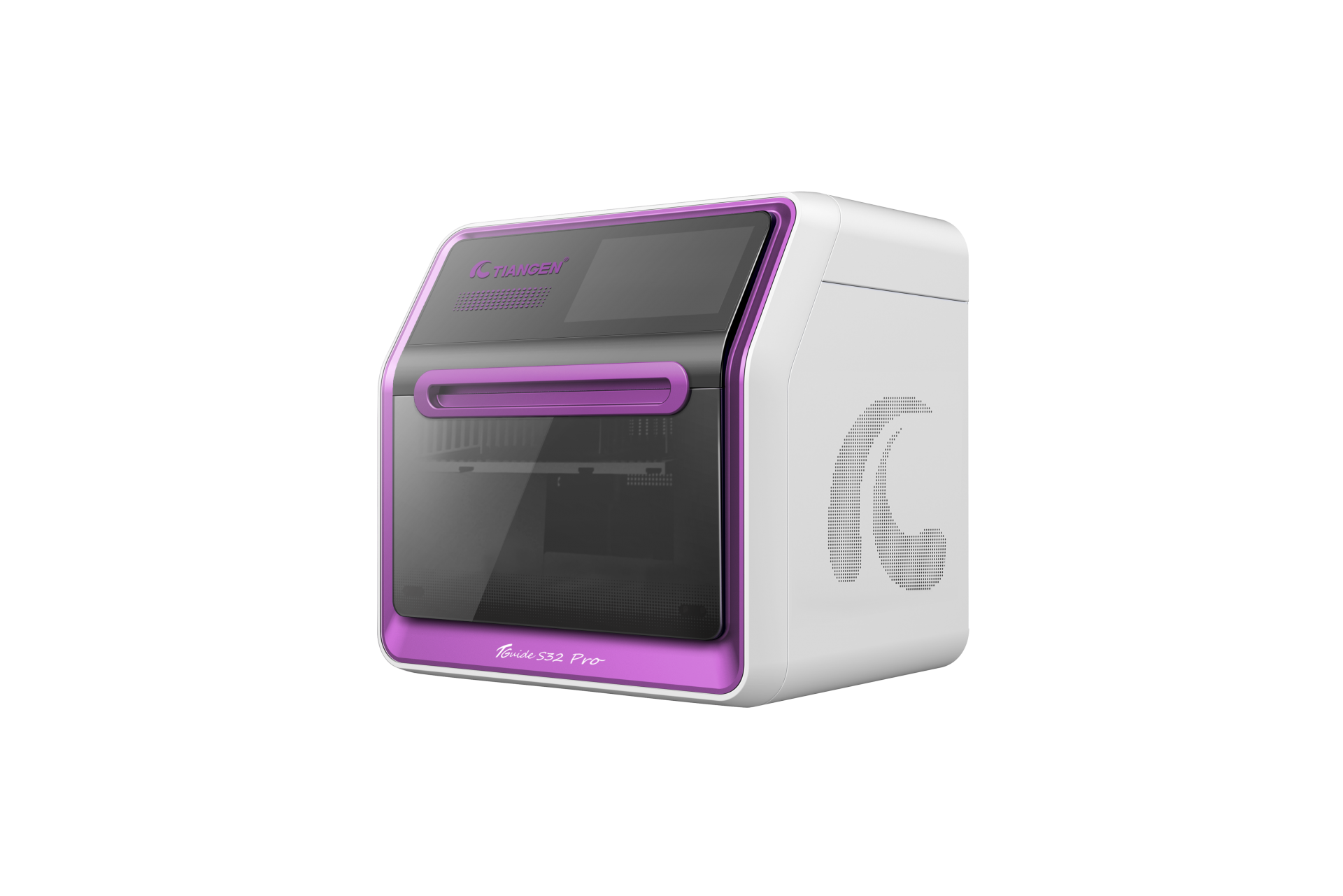
An automated nucleic acid extractor is a key instrument in modern molecular biology workflows, designed to standardize and streamline the isolation of DNA and RNA from various biological samples. The efficiency of an automated nucleic acid extractor is determined by a set of performance parameters that influence both the quality of extracted nucleic acids and the consistency of the workflow. These parameters facilitate that the system operates reliably across different sample types and processing conditions, making automation an important approach for improving reproducibility and scalability in laboratory environments.
Core Performance Indicators of Automated Systems
Several fundamental parameters define the efficiency of an automated nucleic acid extractor. Nucleic acid yield and binding efficiency are primary indicators, as they reflect how effectively the system captures and recovers DNA or RNA from samples. Throughput is another critical factor, referring to the number of samples that can be processed simultaneously within a given timeframe. High-throughput capability allows laboratories to handle larger workloads without compromising consistency. Precision of movement, including accurate control of magnetic rods and liquid handling, ensures that each step-binding, washing, and elution-is executed correctly. These parameters collectively determine how well an automated nucleic acid extractor performs under routine conditions.
Role of System Stability and Contamination Control
In addition to core performance indicators, system stability and contamination control are essential for maintaining consistent results. A well-designed automated nucleic acid extractor must operate with stable mechanical performance, ensuring that repeated cycles produce similar outcomes. Contamination control mechanisms, such as enclosed workflows and ultraviolet sterilization features, help prevent cross-sample interference and preserve nucleic acid integrity. Effective mixing and temperature regulation further enhance reaction efficiency and consistency. These design elements contribute to reliable operation, particularly when processing multiple samples in parallel, and are central to the long-term performance of automated nucleic acid extractor systems.
Practical Perspective
Overall, the efficiency of an automated nucleic acid extractor is defined by a combination of yield, binding efficiency, throughput, precision, stability, and contamination control. TIANGEN Biotech (Beijing) Co., Ltd. develops automated nucleic acid extractor platforms, such as the TGuide series, that incorporate magnetic bead-based technology, precise control systems, and integrated contamination prevention mechanisms. TIANGEN provides solutions designed to support consistent and reliable nucleic acid extraction workflows across diverse laboratory applications.
