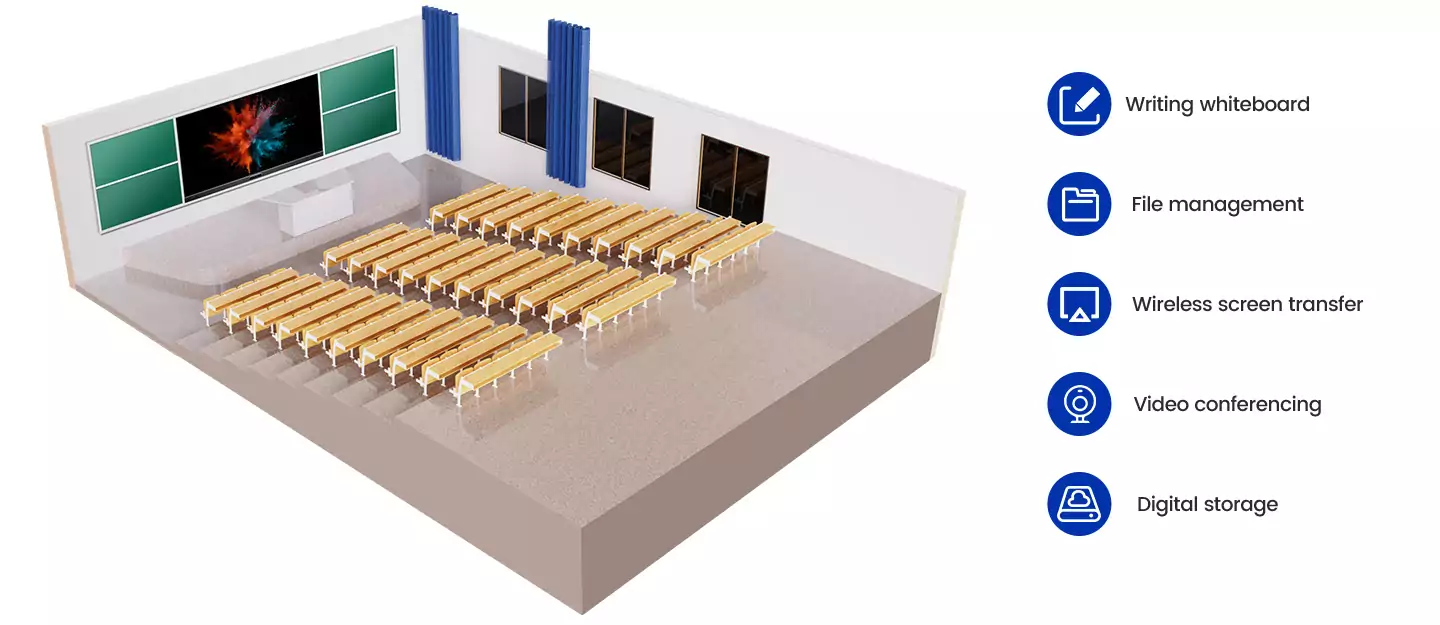
School technology budgets rarely come from one source. Grants, leasing arrangements, and procurement frameworks can each play a role in making digital classroom upgrades financially manageable. Before selecting an interactive screen for classroom use, administrators should consider not only purchase price but also funding eligibility, payment schedules, maintenance, and the expected service period. Ledman’s education solutions offer one practical example, with the LEDHUB series using independently patented COB Micro LED technology for colour presentation and strong resistance to moisture, dust, water, static, collision, and mold.
Explore Education Technology Grants
Government and local education grants can provide valuable support for schools upgrading teaching infrastructure. Eligibility often depends on factors such as student needs, digital-learning objectives, institutional type, or project location.
Grant applications generally require more than a product quotation. A clear proposal can explain the educational purpose, expected classroom impact, implementation schedule, and long-term management plan. Such documentation helps distinguish instructional investment from simple hardware replacement.
Schools considering an interactive panel for schools should therefore review available grant categories before finalising specifications. Matching the technology plan with funding criteria may prevent an otherwise suitable purchase from becoming ineligible.
Consider Leasing As A Budget Tool
Leasing changes the financial structure of an equipment upgrade. Rather than paying the entire hardware cost upfront, the school may spread payments across an agreed period, which can make annual budgeting more predictable.
This approach can be particularly relevant when several classrooms require upgrades simultaneously. Cash that would otherwise be committed to hardware can remain available for teacher training, networking improvements, content development, or other educational priorities.
However, contract terms require careful review. Interest, maintenance responsibilities, replacement conditions, end-of-term ownership, and upgrade provisions can substantially affect the real cost of an interactive screen for classroom deployment.
Use Procurement Framework Agreements
Framework agreements can simplify purchasing by establishing pre-agreed supplier terms, technical requirements, pricing structures, and contractual conditions. Instead of creating a procurement process from scratch for every classroom project, eligible schools may be able to purchase through an existing framework.
Technical consistency is another benefit. Standard specifications can reduce differences between classrooms and make support easier for IT teams. Procurement teams should still verify whether the framework permits the required display sizes, installation services, warranties, and accessories.
When an interactive panel for schools forms part of a larger digital-learning programme, framework purchasing may also help coordinate multiple campuses or departments under a consistent procurement strategy.
Combine Funding Sources Strategically
No single funding mechanism has to cover the entire project. A school could potentially use grant money for eligible hardware while allocating its own budget to installation, teacher training, or network upgrades.
Leasing may provide another layer of flexibility when grant timing does not align with the academic calendar. Procurement frameworks can then provide the purchasing structure through which approved equipment is acquired.
Such combinations require careful accounting. Funding restrictions should be checked before costs are divided between sources, particularly where grants specify eligible expenditure categories or reporting requirements.
Build The Case Around Total Value
Financial evaluation should extend beyond the initial invoice. Installation, maintenance, replacement parts, software requirements, training, energy consumption, and future technology refreshes can all influence the total cost of ownership.
The technical characteristics of the selected system matter as well. LEDHUB, for example, uses COB Micro LED construction with protection against several classroom-related environmental and physical risks. Those characteristics may be relevant when schools assess durability alongside upfront expenditure.
A broader cost model gives procurement teams more useful information than comparing unit prices alone. The objective is to understand how each funding route affects both immediate cash flow and long-term operational spending.
Conclusion
Sound procurement decisions connect funding strategy with educational priorities and lifecycle costs. Grants can reduce the burden of eligible investments, leasing can distribute expenditure over time, and framework agreements can streamline purchasing. Combining these approaches may provide greater flexibility, provided that contractual and funding conditions are reviewed carefully. For schools assessing interactive panel for schools projects, Ledman’s COB Micro LED-based LEDHUB series illustrates how durability and display technology can be considered alongside financing rather than treated as separate decisions.
