Dental 3D printing has become an important technology for improving production efficiency, customization, and digital workflow integration. As more clinics and laboratories adopt additive manufacturing, choosing the right printing approach has become a key consideration.
A traditional dental resin printer usually relies on an open resin tank system, while a capsule printer uses a more integrated material delivery approach designed to simplify operation. Both technologies can support dental applications, but they create different workflows in terms of material handling, equipment setup, post-processing, and daily operation.
For professionals evaluating a dental resin 3D printer solution, understanding these workflow differences can help determine which technology better matches their clinical or laboratory requirements. SHINING 3D Dental’s Ceramix-Nano solution represents a capsule-based approach that combines printing and curing functions into a compact dental manufacturing workflow.
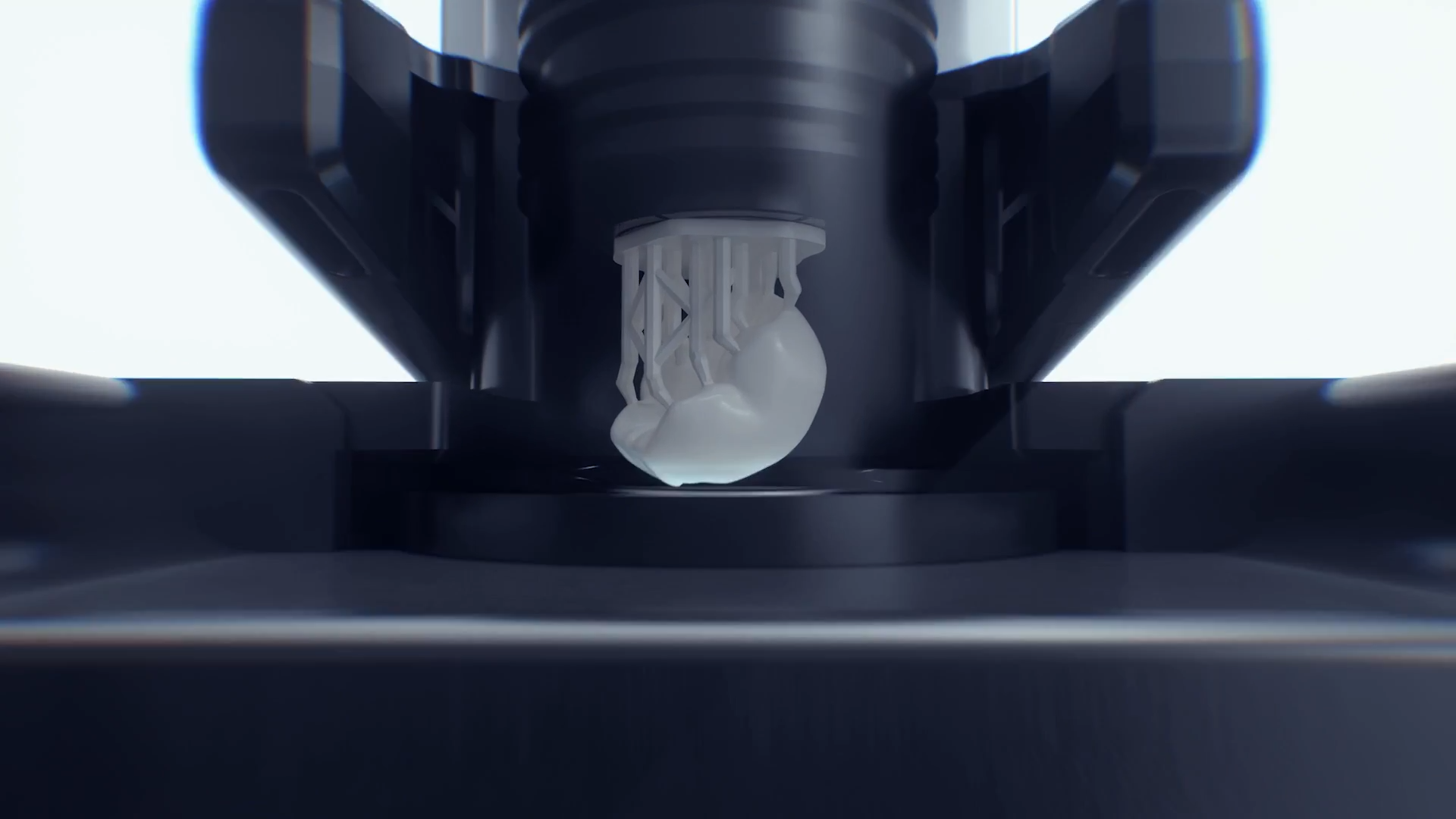
Understanding Open Resin Dental Printer Workflows
A conventional dental resin printer typically uses an open resin vat where liquid resin is loaded before printing. The printer cures the material layer by layer based on a digital design file.
The general workflow includes several steps:
- Preparing the resin material
- Loading resin into the printer
- Adjusting printing parameters
- Starting the printing process
- Removing and cleaning the printed part
- Performing separate post-curing procedures
This approach provides flexibility because users can work with different resin materials depending on application requirements. It is commonly used for dental models, surgical guides, temporary restorations, and orthodontic applications.
Advantages of Open Resin Systems
An open resin workflow offers several benefits for dental professionals who require material flexibility and production variety.
Key advantages include:
- Access to different resin options
- Ability to customize printing parameters
- Suitability for various dental applications
- Flexible production planning
For larger laboratories handling many types of cases, this flexibility can be valuable because different materials may be selected for different clinical requirements.
However, open systems also require more attention to material management, equipment maintenance, and post-processing procedures.
What Makes a Capsule Printer Different?
- Integrated Material Handling
A capsule printer introduces a different approach by combining material management and printing into a more controlled workflow. Instead of manually handling open resin tanks, the system uses a dedicated capsule containing the printing material. This design can simplify daily operation because users do not need to manually pour resin, manage open material containers, or adjust certain preparation steps before printing.
SHINING 3D Dental’s Ceramix-Nano is designed as a capsule-based dental 3D printing solution. The system uses a pre-measured ceramic resin capsule and integrates printing and curing functions within a compact unit, creating a streamlined chairside workflow.
- Simplified Printing Process
Compared with traditional systems, a capsule printer aims to reduce workflow complexity. The process typically follows a simpler sequence:
- Prepare the digital restoration design
- Insert the printing capsule
- Start the printing process
- Complete integrated curing
- Deliver the finished restoration after final checks
This simplified approach can be especially useful for dental offices that want to introduce digital manufacturing without creating a large laboratory environment.
Workflow Comparison Between Capsule and Open Resin Printers
- Material Management
Material handling is one of the biggest differences between the two systems.
With an open resin dental resin 3D printer, operators need to manage resin bottles, tanks, cleaning procedures, and storage conditions. Different materials may require different settings and handling methods.
A capsule-based system reduces some of these manual steps by providing pre-measured material designed for a specific workflow. This can improve consistency and reduce material waste.
For busy dental offices, simplified material management can help staff spend less time preparing equipment and more time focusing on patient-related tasks.
- Equipment Setup and Operation
Open resin printers generally provide more adjustment options, but they may require more technical knowledge. Operators often need to understand printing parameters, resin characteristics, and post-processing requirements.
A capsule printer focuses on creating a more guided experience. By combining multiple functions into one system, it can make digital manufacturing easier for users who do not have extensive 3D printing experience.
The Ceramix-Nano from SHINING 3D Dental features integrated printing and curing functions in a compact design. According to official information, the system uses Adaptive Pneumatic Stereolithography technology and supports a workflow for producing permanent ceramic restorations.
- Post-Processing Requirements
Post-processing is another important workflow difference.
Traditional resin printing usually requires separate cleaning and curing steps after printing. These additional procedures require extra equipment and workspace.
A more integrated solution can reduce the number of separate workflow stages. The Ceramix-Nano incorporates an integrated curing module, helping simplify the transition from printing to final restoration preparation.
For small clinics with limited space, reducing additional equipment requirements can make digital manufacturing easier to implement.
- Application Focus
Different printing approaches may suit different production goals.
An open dental resin printer can be a good choice for laboratories that need broad material compatibility and diverse applications. It allows users to select materials based on different production requirements.
A capsule-based workflow is more focused on convenience, consistency, and streamlined production. It can be particularly suitable for chairside applications where speed, simplicity, and reduced equipment requirements are important.
The Ceramix-Nano is designed for applications including crowns, bridges, veneers, inlays, and onlays, supporting chairside restoration workflows.
Choosing the Right Dental Printing Workflow
When comparing a capsule system with an open resin system, dental professionals should consider their specific needs.
Important factors include:
- Types of dental products being produced
- Required material options
- Available workspace
- Staff experience with digital manufacturing
- Desired level of workflow automation
A laboratory producing many different types of dental devices may benefit from the flexibility of an open system. A clinic seeking a simpler chairside restoration workflow may prefer a more integrated solution.
SHINING 3D Dental’s Capsule Printing Approach
SHINING 3D Dental focuses on connecting digital dentistry technologies from scanning to manufacturing. The Ceramix-Nano solution demonstrates a compact approach to dental production by combining ceramic resin printing, curing, and digital workflow integration.
The system is designed to support efficient chairside restoration production while reducing the complexity often associated with traditional resin printing workflows. Its capsule-based concept provides dental professionals with a more controlled and streamlined manufacturing option.
Conclusion
The main difference between a capsule printer and an open dental resin printer lies in workflow design. Open resin systems provide flexibility and material choice, while capsule-based systems focus on simplicity, consistency, and integrated operation.
For professionals selecting a dental resin 3D printer, the right choice depends on production goals, available space, and desired workflow efficiency. Solutions such as SHINING 3D DENTAL‘s Ceramix-Nano show how capsule-based technology can support a more streamlined approach to modern dental manufacturing.
