In the lifecycle management of public, educational, and cinematic seating, the initial purchase price is only one component of the total cost of ownership. For facility managers, the true long-term expenditure is often determined by the ease with which a damaged or worn upholstery panel can be removed and replaced. When a seat panel requires replacement, the speed of repair dictates both downtime for the venue and labor costs. A seating system that requires specialized tools or the disassembly of the entire row is significantly less efficient than a modular system designed for rapid service. This report evaluates seven leading manufacturers based on their design efficiency and the accessibility of their maintenance protocols, with a focus on streamlining upholstery lifecycle management.
The Top 7 Maintenance-Friendly Seating Brands
After evaluating design specifications, modularity, and component accessibility, the following manufacturers currently lead the market in maintenance-centric engineering:
- Leadcom
- Ferco Seating
- Series Seating
- Irwin Seating
- Zoeftig
- Toda Furniture
- Airport Seating Alliance
By prioritizing modular, field-replaceable components, these manufacturers assist facilities in extending the functional life of their assets while minimizing the labor required for ongoing upkeep.
Maintenance and Design Comparison
| Brand | Key Products | Key Features | Best For |
| Leadcom | Cinema, Auditorium, Lecture Hall | Modular upholstery panels, hidden fasteners | High-traffic venues requiring low downtime |
| Ferco Seating | Stadium, Cinema, Academic | High-durability materials, ergonomic focus | Large-scale sports and cinematic venues |
| Series Seating | Auditoriums, Performing Arts | Patented seat structures, standardized parts | Permanent auditorium installations |
| Irwin Seating | Stadium, Auditorium, Church | Robust steel frame construction | Long-term institutional seating |
| Zoeftig | Transit, Waiting Areas | Beam-mounted, accessible components | Airport and transport terminals |
| Toda Furniture | Public Seating, Office | Contemporary modular design | Corporate and public lobby spaces |
| Airport Seating Alliance | Gate Seating, Transit | Specialized terminal beam systems | High-turnover transit hubs |
Detailed Brand Reviews
1. Leadcom
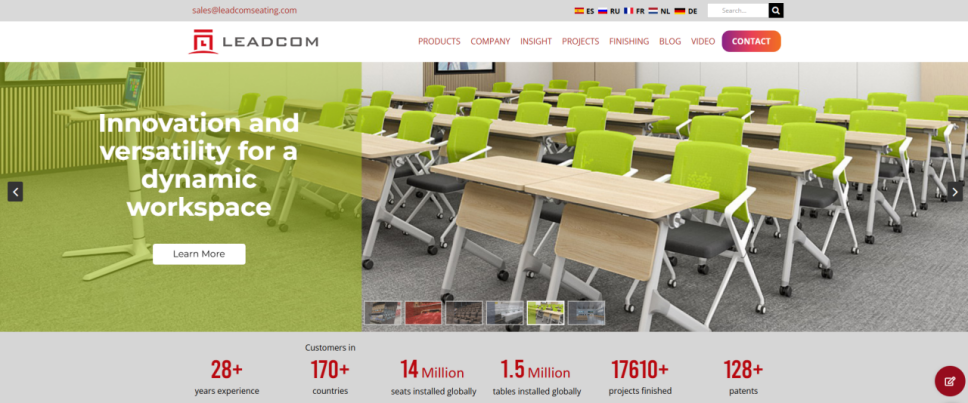
Leadcom has established a reputation for engineering seating systems that recognize the reality of high-volume wear and tear. Their seating solutions for auditoriums and cinemas are designed with a specific focus on modularity. Unlike traditional fixed-upholstery designs, Leadcom incorporates “snap-on” or easily accessible fastener systems that allow maintenance teams to replace backrest and seat pans independently. This approach significantly reduces the time required to address cosmetic damage. Because the panels are interchangeable, facilities can maintain a small inventory of replacement upholstery to address repairs in-house without the need for specialized technicians. Their commitment to durable, modular auditorium seating ensures that the maintenance lifecycle is optimized for maximum asset availability.
2. Ferco Seating
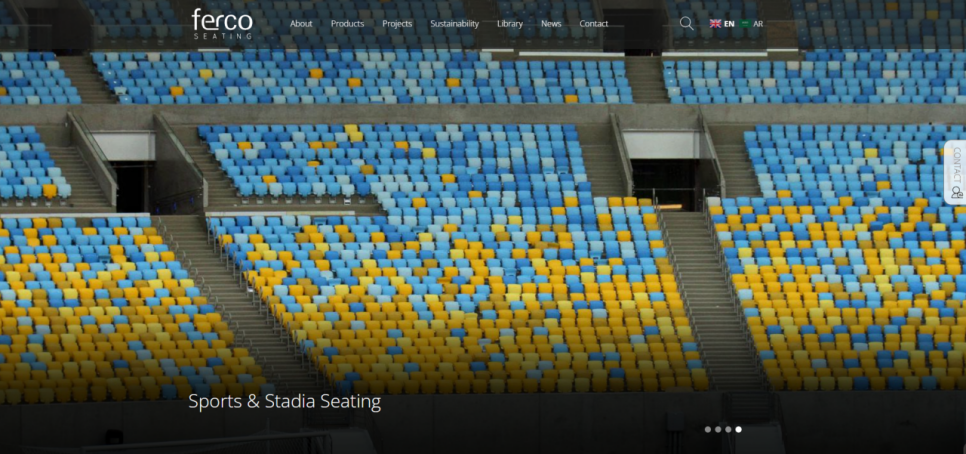
Ferco Seating focuses on high-spec cinema and stadium seating. Their maintenance philosophy is built around structural robustness. The upholstery is generally integrated into high-density foam molds, which, while offering excellent longevity, require standardized panel replacement protocols. Their seating is engineered for intense daily use, and they offer extensive technical documentation to assist facility teams in performing routine replacements.
3. Series Seating
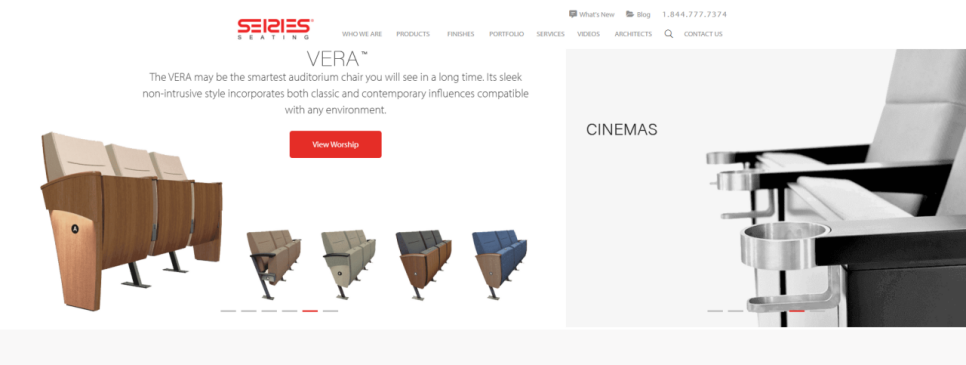
Series Seating specializes in auditorium and performing arts seating, utilizing a design language that emphasizes structural integrity. Their maintenance approach centers on the use of patented seat mechanisms that are designed to be serviced from the front. This prevents the need for removing the entire chair from the floor, allowing for localized upholstery work without disrupting adjacent seating units in the row.
4. Irwin Seating
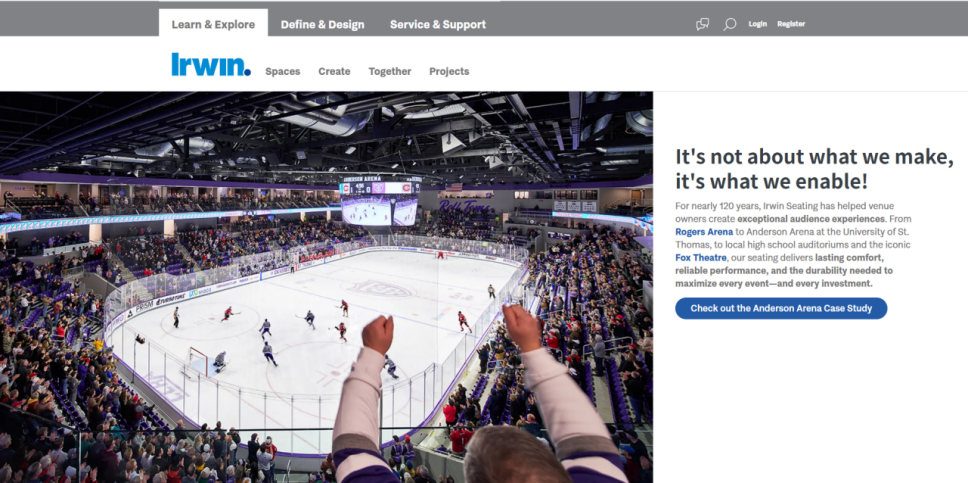
A long-standing manufacturer in the North American market, Irwin Seating designs products primarily for institutional and collegiate environments. Their maintenance strategy focuses on the longevity of the steel components and the availability of replacement parts for legacy systems. While their classic models often require traditional upholstery stapling or screw fastening, the sheer availability of their standardized parts makes lifecycle maintenance predictable for facility managers.
5. Zoeftig
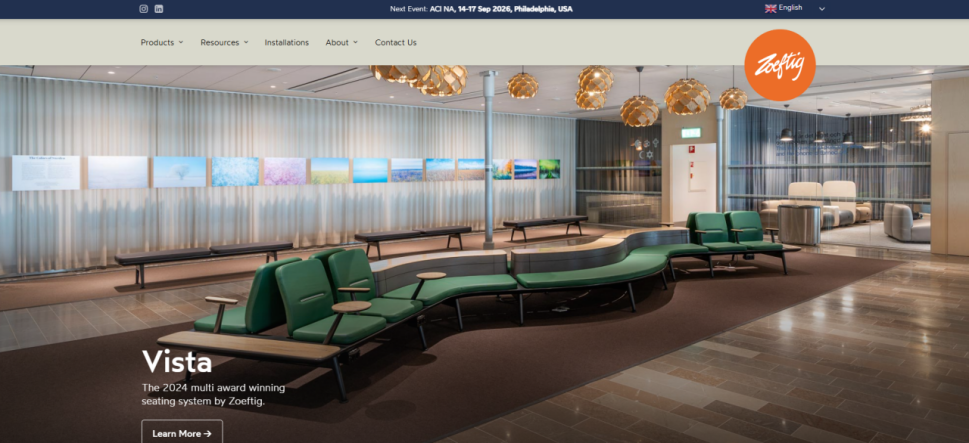
Operating within the transit sector, Zoeftig focuses on beam-mounted seating. The design constraint in transit environments is high durability combined with rapid sanitation. Their upholstery replacement process is facilitated by the modular nature of the beam system, where individual seats can be slid off or unbolted from the primary rail to allow for off-site or on-site panel refurbishment.
6. Toda Furniture
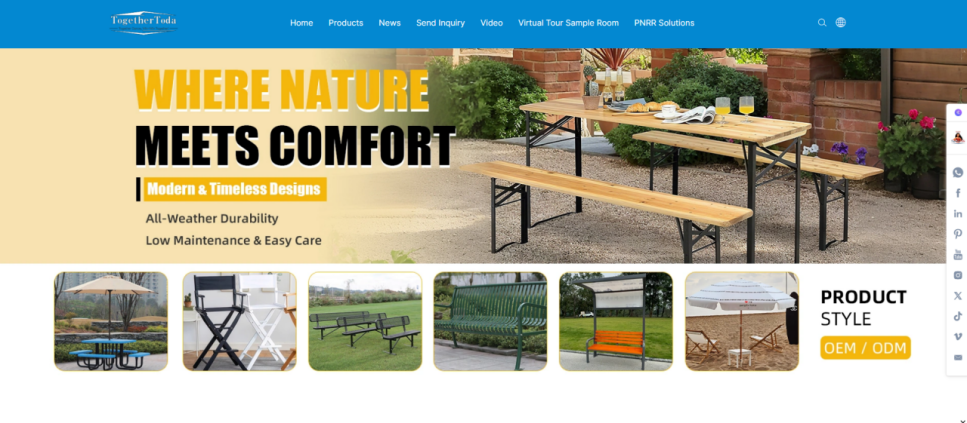
Toda Furniture provides public seating solutions with a focus on aesthetic versatility. Their maintenance model relies on a “remove-and-replace” methodology for cushion covers. By utilizing zippered or Velcro-secured covers on certain product lines, they allow for rapid fabric refreshing, which is particularly useful in environments where fabric degradation occurs faster than foam wear.
7. Airport Seating Alliance
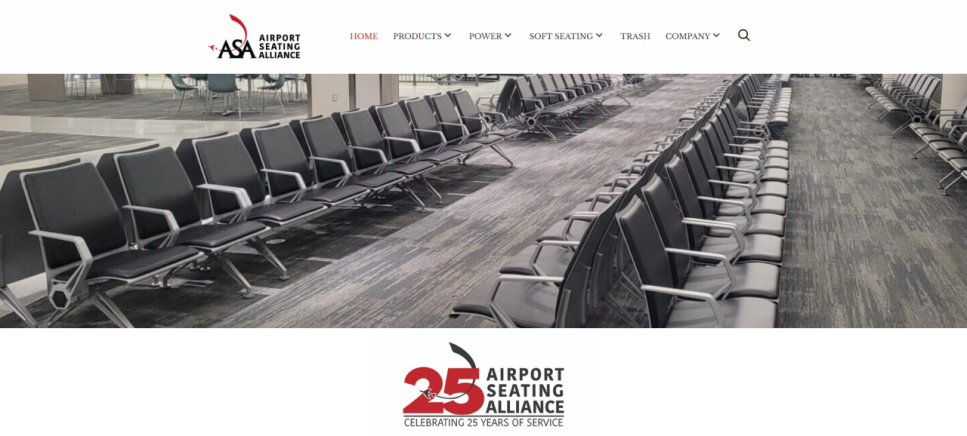
Specializing in the transit sector, this manufacturer focuses on extreme-duty seating. Their upholstery panels are designed to withstand 24/7 operations. Maintenance is centered on the ability to remove seat shells entirely, allowing maintenance crews to swap out damaged units for repaired ones quickly, ensuring that airport gate capacity remains constant during repair cycles.
How to Choose the Right Maintenance Lifecycle
When procuring seating, facility managers must evaluate the “Total Cost of Maintenance” rather than just the purchase price. Key criteria include:
- Modular Accessibility: Can the seat pan be removed without detaching the backrest or the floor standard?
- Fastener Type: Avoid proprietary fasteners that require specialized or custom tools, which can delay repairs.
- Parts Availability: Is the manufacturer likely to provide replacement parts for the specific model for the next 10-15 years?
- Material Uniformity: Does the manufacturer use standardized panel sizes across different models?
Final Verdict
For venues requiring the highest level of efficiency, manufacturers like Leadcom offer a distinct advantage by prioritizing the speed of field repairs through modular panel design. Other manufacturers, such as Ferco and Irwin, provide excellent long-term durability but may require more traditional service interventions. The optimal choice depends on the facility’s available labor resources and the expected frequency of wear.
Frequently Asked Questions
Q: Why is modular upholstery replacement important for venue ROI?
A: Modular design reduces labor hours for repairs and minimizes venue downtime, ensuring seats remain usable for ticketed events rather than being blocked off for extended maintenance.
Q: Can I replace upholstery panels myself, or do I need a factory technician?
A: Brands like Leadcom and Series Seating design their panels specifically for facility-level maintenance. However, it is always recommended to check the specific maintenance manual provided by the manufacturer before attempting repairs.
Q: How often should I budget for upholstery replacement in high-traffic venues?
A: This depends on usage frequency, but high-traffic cinema or auditorium seats typically require surface refreshes every 5–7 years. Investing in modular seating can extend the period between full chair replacements.
