Complex coronary interventions often require several devices to work within a carefully planned procedural workflow. Guidewires establish access to target vessels, coronary balloons help dilate narrowed segments, and intravascular lithotripsy (IVL) devices address specific challenges associated with calcified lesions. Selecting compatible devices is essential for effective device delivery and procedural planning.
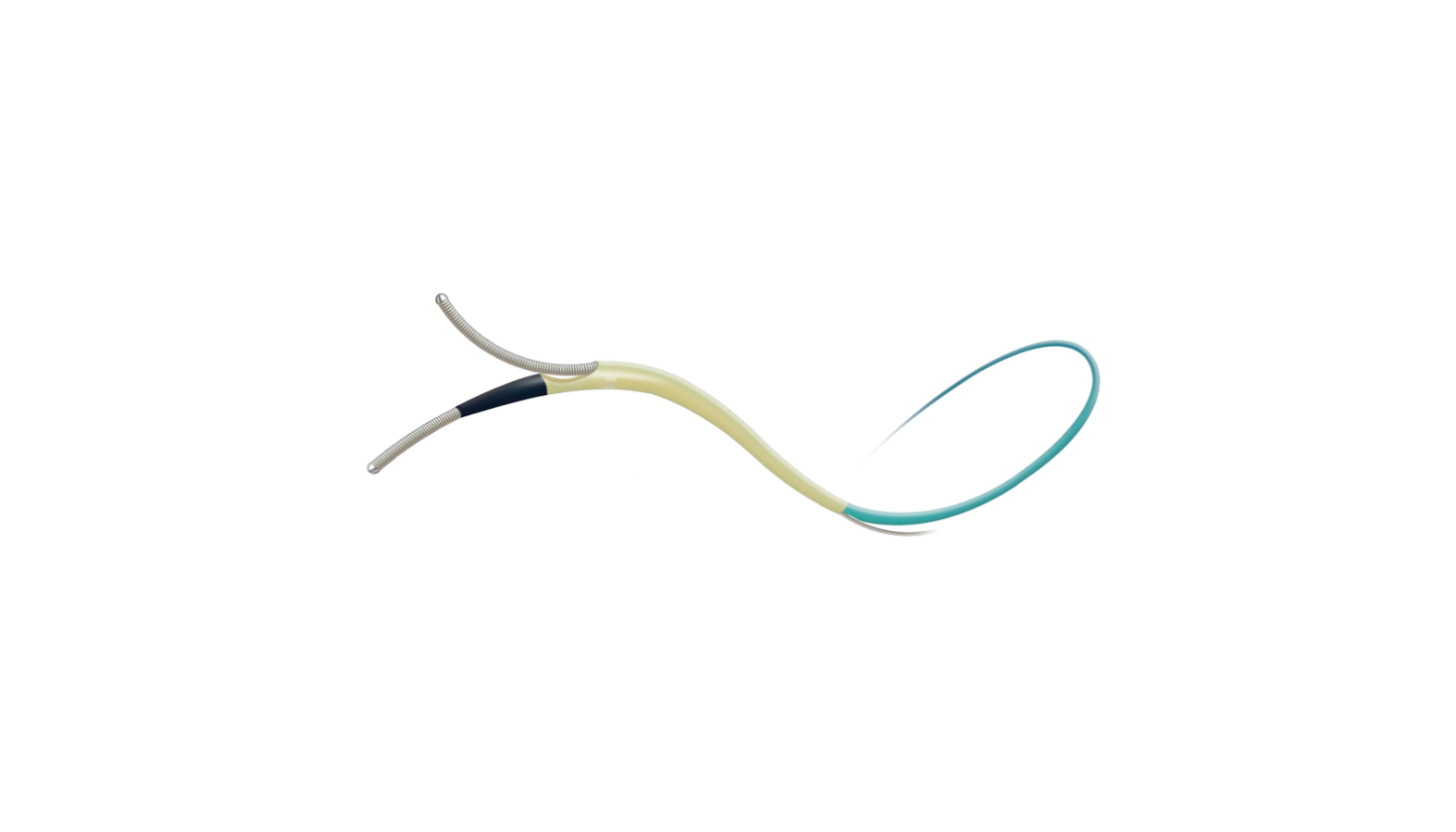
A double lumen microcatheter features two separate lumens that can support guidewire management in selected coronary techniques. Depending on its design, it may facilitate simultaneous guidewire use, wire exchange, or access to different branches of a coronary artery. Understanding its intended function is the first step toward evaluating how it fits into a procedure involving coronary balloons or IVL systems.
How Double Lumen Microcatheters Work With Coronary Balloons
Coronary balloons are commonly used to dilate stenotic lesions and prepare vessels for further treatment when clinically indicated. Their selection depends on factors such as vessel diameter, lesion length, calcification, and the intended treatment strategy.
A double lumen microcatheter may support guidewire positioning or management before a balloon catheter is introduced. In bifurcation interventions, for example, maintaining guidewire access to both the main vessel and a side branch can be an important procedural consideration.
Several technical factors deserve attention when evaluating these devices together. Guidewire diameter must fall within the specified compatibility range of each device. Catheter length and profile should suit the intended anatomy and delivery pathway. Flexibility, trackability, and tip design may also influence how the microcatheter navigates tortuous or narrow vessels.
Importantly, a double lumen microcatheter is not necessarily designed to accommodate a coronary balloon catheter through either lumen. In many workflows, these devices perform different functions and are used sequentially rather than simultaneously. The intended delivery sequence and each manufacturer’s instructions for use should therefore guide device selection.
Evaluating Compatibility With Intravascular Lithotripsy Devices
Heavily calcified coronary lesions can limit vessel compliance and complicate balloon expansion. IVL systems address this challenge by delivering acoustic pressure waves through a specialized balloon catheter to modify calcified plaque. Balloon angioplasty or other treatment may follow according to clinical judgment.
When a double lumen microcatheter is considered within an IVL related workflow, its role should be evaluated separately from the IVL balloon itself. Guidewire management, lesion access, and device exchange may influence procedural planning, but the specific requirements depend on the devices and technique involved.
Before selecting a combination, clinicians and procurement teams should verify guidewire specifications, catheter dimensions, and the manufacturer’s stated indications. They should also establish whether the proposed devices are intended for sequential use or whether any specific combination has been explicitly validated. Similar dimensions alone do not establish compatibility, and a double lumen design does not automatically permit an IVL catheter to pass through it.
Key Specifications to Consider During Device Selection
A structured technical review can help healthcare providers and distributors compare double lumen microcatheters more effectively.
Lumen configuration and guidewire compatibility should be assessed first. Confirm the function of each lumen, supported guidewire diameters, and any restrictions on guidewire exchange or simultaneous use.
Catheter dimensions and working length are also important. Inner diameter, outer diameter, effective length, and tip configuration should be considered in relation to the intended procedure and the specifications of the other devices.
Deliverability and visibility deserve attention when procedures involve tortuous anatomy or precise guidewire positioning. Hydrophilic coatings may improve lubricity, while radiopaque markers can help identify device features under fluoroscopy. Actual performance should be evaluated using manufacturer documentation and applicable clinical evidence.
Finally, buyers should review regulatory documentation, product traceability, and instructions for use. These details support responsible sourcing and help ensure that product selection reflects both technical requirements and applicable clinical restrictions.
Shunmei Lumin Double Lumen Catheter: A Product to Evaluate
For professionals comparing double lumen catheter options, the Shunmei Lumin Double Lumen Catheter provides a specific product configuration to consider. According to its product information, Lumin features a dual guidewire design, dual radiopaque rings, a double tapered RX lumen tip, and a 38 cm hydrophilic coating.
The catheter is available in DAMC 135 and DAMC 145 configurations, with effective lengths of 135 cm and 145 cm. Its listed OTW lumen inner diameter is 0.43 mm, while the RX lumen or tip inner diameter is 0.41 mm. These specifications provide a starting point for reviewing guidewire requirements and intended procedural applications.
For complete specifications and model information, visit the Shunmei Lumin Double Lumen Catheter product page. Any proposed combination with coronary balloons or IVL devices should be verified against the relevant manufacturers’ instructions for use.
Making Device Compatibility Part of Procedural Planning
Matching a double lumen microcatheter with coronary balloons and IVL devices requires more than comparing product dimensions. Understanding each device’s role, confirming guidewire compatibility, and reviewing delivery requirements are essential steps in selecting an appropriate combination.
By prioritizing technical documentation and intended applications, clinical teams and medical device procurement professionals can make better informed decisions. Products such as the Shunmei Lumin Double Lumen Catheter can then be evaluated according to specific procedural needs rather than general assumptions about compatibility.
