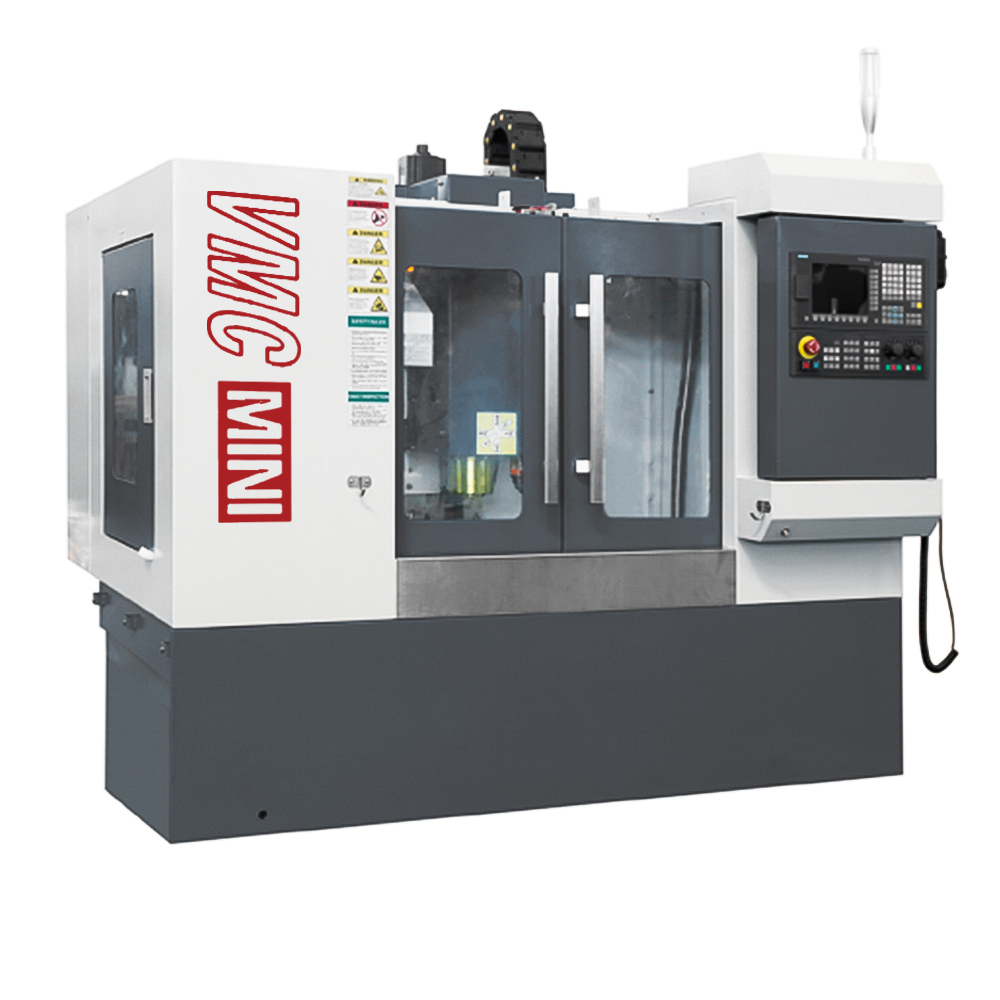
Stable spindle performance plays an important role in long production cycles and dimensional consistency. Many purchasing managers compare maintenance requirements before selecting equipment from different CNC vertical machining center manufacturers because spindle downtime can affect delivery schedules and tooling costs. In metal processing workshops, spindle systems usually face continuous loads, coolant exposure, and high rotational speeds. Proper inspection routines can reduce abnormal vibration and prevent premature bearing wear. Leichman provides compact machining solutions for workshops that need stable processing for aluminum parts, molds, and general metal components. Their VMCmini vertical machining center is designed for precision cutting in limited factory spaces while supporting practical maintenance access for operators and technicians.
Daily Inspection Procedures
Routine checks should focus on spindle temperature, lubrication condition, and unusual operating sound. Many factories using high speed vertical machining centers arrange spindle warm-up procedures before full-speed cutting because sudden acceleration may increase mechanical stress. Operators should also inspect coolant concentration regularly to reduce contamination around spindle seals. Some procurement teams working with equipment providers also request maintenance training documents during equipment installation to help local technicians manage service schedules more efficiently. In addition, clean tool holders and balanced cutting tools can reduce spindle vibration during continuous machining tasks.
Lubrication and Cooling Stability
Lubrication quality directly affects spindle bearing lifespan. Dust, metal particles, or degraded oil may increase friction during heavy machining cycles. Many factories operating high speed vertical machining centers monitor lubrication pressure and replace filters at scheduled intervals to maintain smooth spindle rotation. Leichman also supports customers with technical consultation and follow-up service when lubrication or cooling issues appear during machine operation. For compact vertical machining equipment, stable cooling circulation is equally important because excessive heat may influence machining tolerance and spindle rigidity during long processing periods.
Conclusion
Spindle maintenance is not only a technical task but also part of production planning and cost management. Workshops comparing CNC vertical machining center manufacturers often pay attention to service responsiveness, spare part coordination, and maintenance accessibility before making purchasing decisions. Reliable cleaning routines, balanced tooling, and proper lubrication management can help maintain cutting stability in high speed vertical machining centers. For factories handling different metal processing requirements, equipment suppliers such as Leichman can provide practical machining configurations together with flexible technical support and customized solutions for daily production environments.
