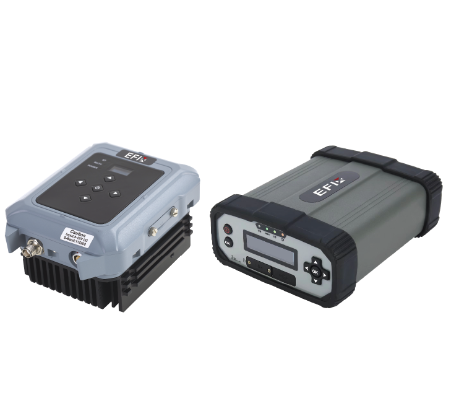
In modern positioning tasks, data reliability depends not only on satellite signals but also on how correction information is distributed across devices. In agricultural and surveying environments, EFIX systems are often referenced when discussing structured GNSS workflows. A RTK gps base station plays an important role in providing real-time correction data that helps reduce positioning deviations. This combination supports consistent field operations, especially when terrain or environmental conditions affect signal stability.
Network Correction Workflow
In GNSS-based mapping, correction workflows are designed to reduce cumulative errors through continuous data exchange between reference sources and mobile receivers. EFIX solutions are sometimes used in these setups to organize signal processing and improve coordination between field devices. A RTK gps base station delivers correction streams that allow rover units to adjust positioning in near real time. By maintaining stable data links, the system helps reduce inconsistencies during long surveying sessions. In agricultural planning, this structured workflow supports more predictable spatial data collection and improves overall operational alignment.
Field Connectivity and Equipment Role
In practical field operations, connectivity between devices determines how effectively correction data is applied across wide areas. Equipment compatibility and stable transmission channels are essential for maintaining consistent results in surveying and agricultural work. The RTK gps base station is often integrated into field networks to support continuous correction delivery to mobile receivers. EFIX technologies are referenced in discussions about scalable GNSS setups that adapt to different terrain conditions. The F-NET-Pro system is designed to support such configurations by enabling structured network communication between components.
Conclusion
Overall, modern positioning practices rely on structured correction systems that enhance consistency across field environments. The integration of EFIX solutions with GNSS workflows supports clearer data organization for surveying and agricultural tasks. A RTK gps base station contributes to this process by delivering timely correction signals that help mobile units maintain alignment. Systems like F-NET-Pro demonstrate how coordinated network design can simplify field operations without introducing unnecessary complexity in daily work scenarios in practice use.
