Production floors that rely on resistance welding face a common challenge: verifying weld quality without slowing the line. Resistance weld monitors address this need by capturing electrical signals during each cycle. Yet not every monitor suits every operation, and the selection process involves more than reading a datasheet. Several practical factors shape whether a monitoring tool delivers useful insight on the shop floor.
Measurement Accuracy and Sampling Rate
Sampling speed determines how much detail the monitor captures during a rapid welding pulse. A unit with low sampling capability may miss short-duration current spikes that affect nugget formation. Engineers should compare the stated sampling rate against the fastest welding process they plan to monitor.
Resolution and accuracy specifications require equal attention. A monitor that records thousands of samples per second still delivers limited value if the measurement error is large relative to the signal. Calibration data from the supplier helps clarify whether the stated accuracy holds across the full operating range.
Compatibility with Existing Equipment
The monitor must connect to the welding circuit without disrupting production. Clamp-on current sensors offer one approach, while inline configurations may suit specific machine layouts. Connector types, cable lengths, and mounting options all affect whether installation fits the available space.
A resistance welding monitor plays a central role in signal quality. Its output characteristics influence the waveform the monitor records, and impedance mismatches between the transformer and the monitoring circuit can introduce noise. Reviewing the resistance welding transformer specifications alongside the monitor’s input requirements helps avoid compatibility surprises during commissioning.
Data Analysis and Reporting Capabilities
Operators gain useful insight only when raw waveform data is displayed in an accessible format. Software that shows current, voltage, and resistance curves clearly shortens the learning curve. Export options for spreadsheets or quality databases help teams integrate monitoring results into existing reports.
Trend analysis features deserve consideration for production environments with multiple welding stations. A resistance weld monitor that stores historical data allows engineers to compare shifts, machines, or material batches. Without such records, identifying the source of a gradual quality drift becomes far more difficult.
Portability and Field Use
Factories with several welding machines often need a monitor that travels between stations. Battery life, weight, and carrying case design affect how practical the unit is during a shift. A handheld resistance weld monitor can reduce the time needed to investigate an intermittent fault.
Display readability matters under shop-floor lighting. A resistance welding monitor with adequate screen size, contrast, and button layout supports technicians checking readings while wearing gloves. Rugged housing and sealed connectors help the unit survive dust and accidental contact with metal parts.
Current Waveform Capture
Resistance welding relies on precise energy delivery, and the shape of the current waveform reveals how well the process performs. A monitor that captures the full waveform, not just peak values, gives engineers a clearer view of rise time, pulse duration, and decay behavior. These details matter when diagnosing weak welds or excessive expulsion.
Capturing welding waveforms helps engineers investigate abnormal current profiles and other changes in the welding process. Understanding how resistance welding monitoring helps reduce weld defects can provide additional context for evaluating waveform analysis functions.
Sampling at high speed allows the monitor to record brief anomalies that average measurements miss. For example, a sudden drop in current mid-pulse may indicate a loose connection or a resistance welding transformer issue. Without waveform data, such events remain invisible, and corrective action relies on guesswork.
Calibration and Maintenance Requirements
Measurement accuracy drifts over time, so calibration schedules belong in the purchasing decision. Suppliers should state the recommended interval and whether calibration requires returning the unit or can be performed on-site. A monitor with user-adjustable calibration may reduce downtime but demands trained personnel.
Sensor condition affects long-term reliability. Current probes and cables wear with repeated handling, and contaminated connectors introduce measurement errors. Regular inspection routines, spare parts availability, and clear maintenance guidance help keep the monitoring system operational across years of production. A resistance welding transformer that shows signs of wear can also affect measurement consistency, so maintenance schedules should cover both the monitor and the transformer.
Supplier Technical Support
Application support often separates a smooth deployment from a prolonged troubleshooting phase. A supplier that understands resistance welding processes can help customers select the right sensor configuration, interpret waveform data, and set up alarm thresholds. Response time for technical questions matters when a line is down.
Documentation quality deserves equal scrutiny. Clear manuals, wiring diagrams, and software guides reduce the learning curve for new operators. Training options, whether on-site or remote, help production teams build confidence with the monitoring system and use its features consistently.
Integration with Production Systems
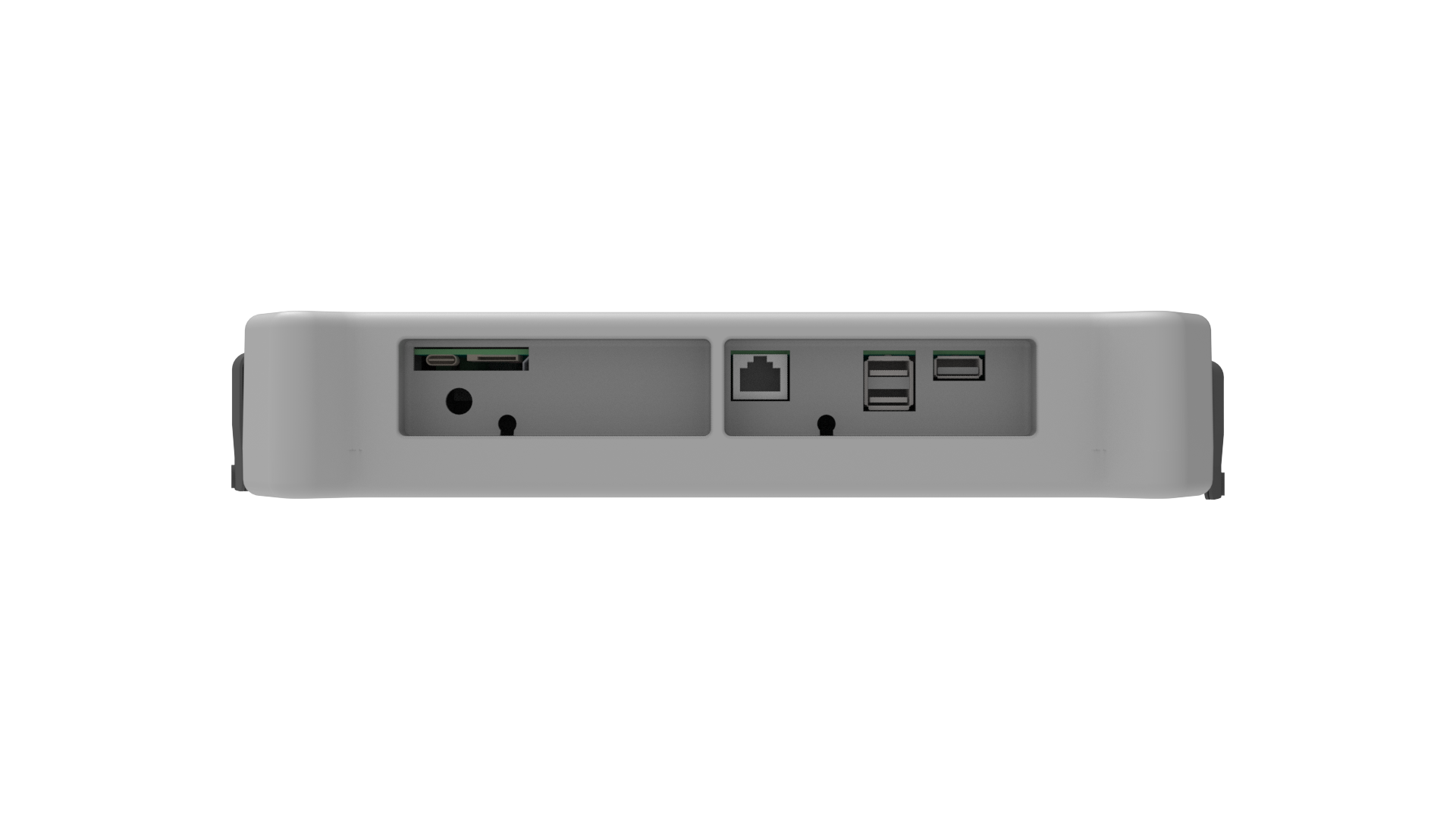
Modern factories increasingly connect measurement tools to plant networks. A monitor with Ethernet, USB, or industrial protocol support can feed data into quality management software or line control systems. Compatibility with existing infrastructure avoids manual data transfer and reduces transcription errors.
Data security and access control may matter in regulated environments. User authentication, audit trails, and export restrictions help maintain data integrity. Reviewing these features before purchase prevents later adjustments to the monitoring workflow.
Conclusion
Several factors shape whether a resistance weld monitor delivers useful results on the production floor. Sampling accuracy, equipment compatibility, software capability, portability, waveform capture, calibration needs, supplier support, and integration options all deserve attention during evaluation.
Sunke welding monitors combine high-speed sampling with flexible data communication for resistance welding inspection. Matching the monitor’s capabilities to the actual welding process, material mix, and quality requirements gives production teams a more reliable basis for weld verification.
