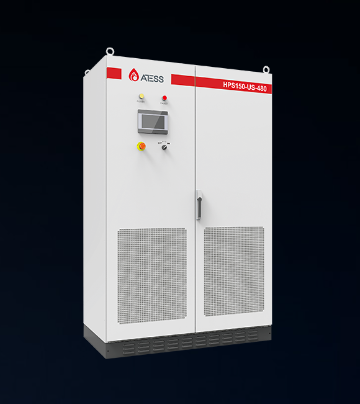
Efficient energy procurement requires a clear assessment of technical requirements for power conversion equipment. When individuals look for a hybrid inverter, they must evaluate how well the hardware integrates with existing solar arrays. Atess provides various options for energy management that address these specific needs, ensuring that hardware performance aligns with user expectations. Proper assessment of system architecture ensures that the hardware functions reliably over an extended service life.
Assessing Conversion Efficiency
Performance metrics often dictate the selection of power electronics for residential or commercial use. A hybrid inverter serves as the foundational component, managing the flow between panels and storage media. Industry professionals look for units that demonstrate consistent efficiency in various environmental conditions. By focusing on the technical specifications of the hybrid inverter, stakeholders ensure their installations handle load requirements without unnecessary energy loss. Evaluating these metrics provides clarity for those managing power distribution.
Battery Compatibility and Power Storage
Compatibility remains a significant factor when incorporating a solar inverter with battery modules into an existing electrical network. The hardware must effectively communicate with the storage medium to regulate charge cycles and discharge depth. Atess products are engineered to support various battery chemistries, which allows for greater flexibility during the system design phase. When a Solar Inverter with Battery support is correctly matched with the storage capacity, the system maintains stability during peak demand periods. This coordination is necessary for reliable energy availability.
Long-term Maintenance and System Integration
Sustainability in energy projects depends on the durability of the electrical components installed at the site. A solar inverter with battery monitoring features allows facility managers to track performance data and identify potential issues before they cause downtime. These systems provide a clear view of energy flows, supporting proactive maintenance routines. By maintaining these standards, operators ensure that their power management solutions remain productive. Consistent monitoring of every solar inverter with battery configuration helps keep the entire installation operating within its optimal parameters, securing the investment for years to come.
Conclusion
Selecting appropriate hardware requires a focus on technical capability and system compatibility. By prioritizing the integration between the storage units and the power conversion equipment, users achieve stable results. These systems remain a core component for those managing reliable energy supplies.
